
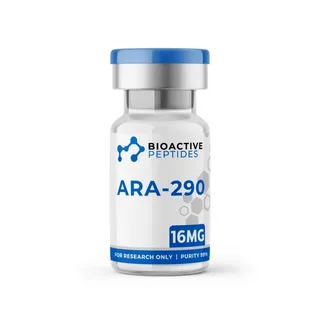

ARA-290 Available Online for Research
ARA-290, also known as cibinetide or pHBSP (pyroglutamate helix B surface peptide), is an 11–amino acid peptide derived from the helix B region of erythropoietin (EPO).
Unlike EPO, ARA-290 does not stimulate red blood cell production, focusing instead on tissue protection, anti-inflammation, and repair.
Innate Repair Receptor (IRR): ARA-290 selectively targets the IRR, a heteromeric complex composed of the erythropoietin receptor and the β-common (CD131) subunit.
Activation of IRR triggers anti-inflammatory and tissue-repair pathways.
TRPV1 Modulation: It also antagonizes TRPV1 (capsaicin receptor), which plays a key role in nociceptive pain signaling.
This mechanism contributes to its analgesic (pain-relief) effects.
Therapeutic Potential & Research Highlights
1. Small-Fiber Neuropathy (Sarcoidosis-Associated)
In controlled trials, 28 days of subcutaneous ARA-290 markedly improved neuropathic symptoms and autonomic dysfunction in sarcoidosis patients.
It also promoted regeneration of small nerve fibers in the cornea and enhanced exercise capacity (6-minute walk test).
2. Type 2 Diabetes with Neuropathy
In phase II studies, daily ARA-290 improved glycemic control (reduced HbA₁c), lipid profiles, neuropathic pain, and increased corneal nerve fiber density — without safety concerns
3. Anti-Inflammatory & Tissue-Protective Actions
Preclinical findings demonstrate that ARA-290 inhibits pro-inflammatory cytokines (e.g., TNF-α) and reduces apoptosis through IRR engagement.
It accelerates wound healing, reduces scarring, and supports recovery across tissues.
4. Neuropathic Pain Models
In animal models of sciatic nerve injury and neuropathic pain, ARA-290 reduces mechanical allodynia and cold sensitivity, demonstrating rapid and sustained relief.
This effect is absent in animals lacking the β-common receptor, underscoring IRR’s role
A recent mouse study found that ARA-290 alleviates chronic stress-induced depression-like behaviour.
It appears to modulate the immune system and microglial activation, acting similarly to classical antidepressants but via distinct inflammatory pathways
A newer report reinforces ARA-290’s potential. Moreover, it lowers neuropathic pain and inflammation via EPO-like pathways, with no hematopoietic side effects.
Additionally, therapeutic potential includes pain relief, nerve regeneration, metabolic benefits, and anti-inflammatory effects.
Moreover, trials are Phase II/III with orphan drug status for sarcoid neuropathy; safety remains favorable.
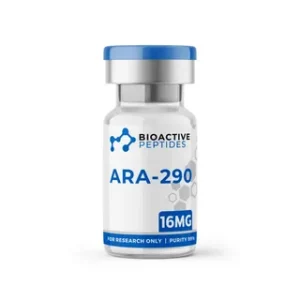
| MG | 10mg*10vials |
|---|---|
| Cat. No | RA10 |
Be the first to review “Buy ARA-290 Online”
Related products
peptides
peptides
peptides
peptides
peptides
peptides
peptides
peptides
Reviews
There are no reviews yet.