
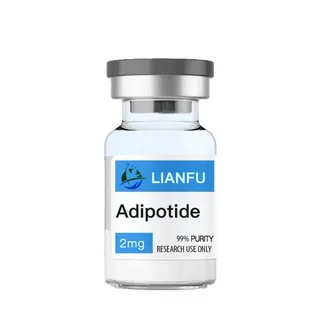
Adipotide

$255.00
Adipotide Research Overview, Mechanism and Key Characteristics
Adipotide (also known as FTPP – Fat-Targeted Proapoptotic Peptide) is an experimental weight loss peptide that has shown promising results in animal studies for reducing body fat by targeting and destroying fat cell blood vessels.
Adipotide Research Overview, Mechanism and Key Characteristics
Adipotide (also known as FTPP – Fat-Targeted Proapoptotic Peptide) is an experimental weight loss peptide that has shown promising results in animal studies for reducing body fat by targeting and destroying fat cell blood vessels.
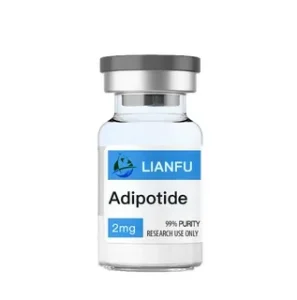
What is Adipotide?
Researchers originally developed Adipotide as part of cancer research and later repurposed it for obesity treatment.
Unlike most weight-loss treatments that influence appetite, metabolism or fat absorption, Adipotide works by directly cutting off the blood supply to fat tissue, leading to fat cell death (apoptosis) and subsequent fat loss.
How Adipotide Works
In particular, adipotide comprises a peptide sequence that homes in on the blood vessels supplying white adipose tissue (body fat).
It includes:
A targeting domain that binds to receptors on fat cell vasculature.
A pro-apoptotic domain that triggers cell death once inside.
Destroying these blood vessels deprives fat cells of nutrients and oxygen, causing them to die and be reabsorbed by the body.
Benefits (Based on Preclinical Studies)
Significant Fat Loss: In studies on obese mice and primates, Adipotide led to substantial reductions in body fat.
Adipotide lowered insulin resistance, reduced blood glucose, and decreased cholesterol levels.
Non-CNS Based: Unlike appetite suppressants, Adipotide does not affect the central nervous system, reducing risk of mood or behavioural side effects.
Potential Uses
Obesity treatment (especially resistant or morbid obesity)
Weight-related metabolic disorders (type 2 diabetes, fatty liver disease)
Potential adjunct to other fat-reducing treatments
Risks & Side Effects
Although promising, Adipotide is still in experimental stages, and human clinical trials are limited.
Reported side effects in animal studies include:
Kidney toxicity (especially with prolonged or high-dose use)
Dehydration
Electrolyte imbalance
Fatigue or lethargy
Kidney damage is the most serious concern, and its long-term effects are still unknown in humans.
| MG | 5mg*10vials |
|---|---|
| Cat. No | AP5 |
Be the first to review “Adipotide”
Related products

peptides
peptides
peptides
peptides

peptides

peptides

peptides

peptides
Reviews
There are no reviews yet.