
How Vasoactive Intestinal Peptide Works
Moreover, VIP, vasoactive intestinal peptide, is a natural neuropeptide found in the body, mainly in brain, lungs, and digestive tract.
Additionally, it plays a crucial role in regulating smooth muscle relaxation, blood flow, electrolyte secretion, and inflammatory responses.
Additionally, synthetic VIP is being studied as a therapeutic peptide for inflammatory, autoimmune, and neurodegenerative diseases.
Additionally, this section explains how it works.
As a result, VIP binds to specific VPAC1 and VPAC2 receptors on target cells.
Moreover, this activation triggers intracellular signalling that promotes:
Moreover, smooth muscle relaxation occurs in the respiratory, vascular, and gastrointestinal systems.
Additionally, anti-inflammatory effects arise from reducing pro-inflammatory cytokines.
These strategies achieve neuroprotection by modulating immune cell activity and promoting neuronal survival.
Additionally, immune regulation balances Th1/Th2 responses.
Potential Benefits
Research suggests VIP peptide may help in:
Respiratory Health – Supporting lung function in conditions like asthma, COPD, pulmonary hypertension, and sarcoidosis.
Neuroprotection – Possible benefits in Alzheimer’s disease, Parkinson’s disease, and traumatic brain injury.
Immune Modulation – Helping regulate immune overactivity in autoimmune diseases such as multiple sclerosis and inflammatory bowel disease.
Gut Health – Supporting intestinal barrier integrity and reducing inflammation in disorders like Crohn’s disease or ulcerative colitis.
Vascular Support – Enhancing blood flow and reducing vascular inflammation.
Administration
Typically administered via subcutaneous injection.
Dosage and treatment duration vary depending on the individual’s condition and medical supervision.
Often used in research and clinical trial settings rather than standard prescription use.
Side Effects & Considerations
Generally well-tolerated in research settings, but potential side effects may include flushing, headache, low blood pressure, or mild gastrointestinal discomfort.
Not FDA-approved for general medical use; most applications remain experimental.
Should be used only under the guidance of a qualified healthcare professional.
Current Research
VIP is being actively studied for:
Chronic Inflammatory Response Syndrome (CIRS) linked to mold and bio toxin exposure.
Pulmonary arterial hypertension therapy.
Neurodegenerative and inflammatory disorders.
Its role as an immunomodulator in viral and bacterial infections.
💡 Key Takeaway: VIP peptide is a promising therapeutic agent with potent anti-inflammatory, neuroprotection, and immune-balancing properties.
While early results are encouraging, its use remains primarily in research contexts, and more large-scale human trials are needed before it becomes widely available for clinical treatment.
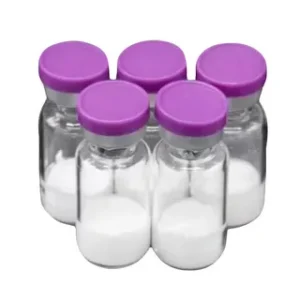
| MG | 5mg *10 vials, 10mg*10vials |
|---|---|
| Cat. No | VP5, VP10 |
Be the first to review “Vasoactive Intestinal Peptide”
Related products
peptides
peptides
peptides
peptides
peptides
peptides
peptides
peptides
Reviews
There are no reviews yet.