
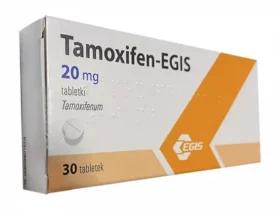
Tamoxifen Medical Uses of Tamoxifen
Additionally, clinicians have widely used tamoxifen as a selective estrogen receptor modulator (SERM) to treat and prevent breast cancer.
Moreover, it binds estrogen receptors in breast tissue, reducing estrogen’s ability to promote cancer cell growth.
Medical Uses of Tamoxifen
Breast Cancer Treatment, Commonly prescribed for hormone receptor-positive breast cancer in both early and advanced stages.
Breast Cancer Prevention, Recommended for individuals at high risk of developing breast cancer due to family history or genetic predisposition.
Doctors prescribe Tamoxifen to treat infertility caused by ovulation disorders and gynecomastia in some cases.
How Tamoxifen Works
Tamoxifen functions as an estrogen blocker in some tissues and as an estrogen activator in others.
In breast tissue, it blocks estrogen, slowing cancer growth.
In bones and the uterus, it can act like estrogen, which helps protect bone density but may also increase risks of uterine changes.
Benefits of Tamoxifen
Reduces the risk of breast cancer recurrence.
Lowers the chance of cancer spreading to the opposite breast.
Can be effective in both premenopausal and postmenopausal women.
Has protective effects on bone health compared to other anti-estrogen drugs.
Possible Side Effects
Some patients may experience side effects from Tamoxifen, while the medication remains generally well tolerated.
Hot flashes, night sweats, or mood swings
Vaginal dryness or discharge
Increased risk of blood clots or stroke
Rarely, changes in the uterus such as polyps or endometrial cancer
Important Considerations
Tamoxifen is usually prescribed for 5 to 10 years, depending on individual health needs and cancer risk.
Regular monitoring (blood work, gynecological exams, and imaging) is often recommended.
Patients should always discuss risks, benefits, and possible alternatives with their healthcare provider.
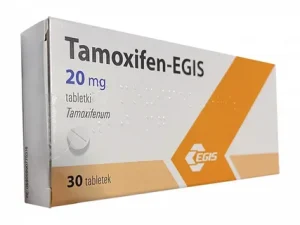
| MG | 20 mg x 100 tablets/bottle |
|---|---|
| Cat. No | T20 |
Be the first to review “Buy Tamoxifen Online”
Related products

Steroid and Sarms tablets
Steroid and Sarms tablets
Steroid and Sarms tablets
Steroid and Sarms tablets
Steroid and Sarms tablets
Steroid and Sarms tablets
Steroid and Sarms tablets
Steroid and Sarms tablets
Reviews
There are no reviews yet.