
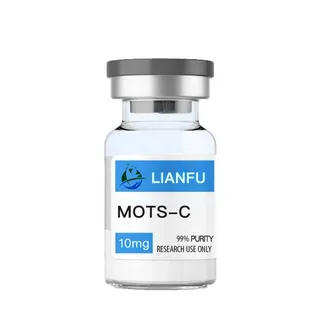
Buy MOTS-c Online

Price range: $85.00 through $255.00
MOTS-c Peptide: Research Overview and Key Information
Moreover, MOTS-c, a mitochondrial-derived peptide (MDP), comprises 16 amino acids.
Mitochondrial DNA encodes MOTS-c in the 12S rRNA region, unlike most peptides that originate in the cell nucleus.
Moreover, it plays a crucial role in regulating metabolism, cellular stress responses, and maintaining energy homeostasis.
MOTS-c Peptide: Research Overview and Key Information
Moreover, MOTS-c, a mitochondrial-derived peptide (MDP), comprises 16 amino acids.
Mitochondrial DNA encodes MOTS-c in the 12S rRNA region, unlike most peptides that originate in the cell nucleus.
Moreover, it plays a crucial role in regulating metabolism, cellular stress responses, and maintaining energy homeostasis.
Key Benefits of MOTS-c
🏋️♂️ Metabolic Enhancement
Moreover, MOTS-c improves glucose metabolism and insulin sensitivity, making it a potential therapeutic agent for type 2 diabetes and obesity.
Additionally, it activates AMPK (AMP-activated protein kinase), boosting energy balance and fat oxidation.
As a result, Mitochondrial Function & Energy Production
Moreover, enhancing mitochondrial efficiency helps the body utilize nutrients more effectively.
This support boosts ATP production, increasing stamina and endurance.
🧬 Anti-Aging Properties
MOTS-c levels decline with age.
Additionally, supplementation may reduce age-related metabolic decline and enhance physical capacity, supporting longevity.
💪 Exercise Mimetic Effects
Mimics the effects of exercise by improving muscle performance and metabolic flexibility, even in sedentary models.
Shown to increase endurance in animal studies.
🧠 Cognitive and Cellular Protection
May provide neuroprotective effects by reducing oxidative stress and inflammation.
Helps cells resist metabolic stress and DNA damage.
Research and Clinical Use
Still under early-stage investigation: Most studies are preclinical or in animal models.
Emerging interest in using MOTS-c for metabolic syndrome, athletic performance, aging, and neurodegeneration.
Being explored in biohacking and peptide therapy communities.
Potential Side Effects
Currently, no major adverse effects reported in preliminary studies.
Long-term human data is limited, and more research is needed to ensure safety and efficacy.
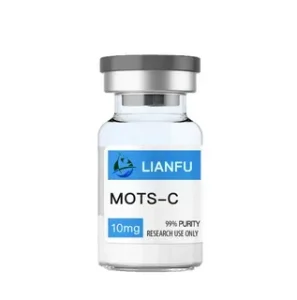
| MG | 10mg*10vials, 40mg*10vials |
|---|---|
| Cat. No | MS10, MS40 |
Be the first to review “Buy MOTS-c Online”
Related products
peptides

peptides
peptides
peptides
peptides
peptides
peptides
Reviews
There are no reviews yet.