
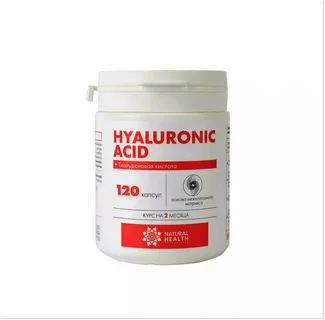
Hyaluronic Acid for Research and Laboratory Use
Moreover, hyaluronic acid (HA) is a naturally occurring substance in the human body, found in the skin, eyes, and connective tissues.
Additionally, hyaluronic acid is a powerful humectant that attracts and retains water—holding up to 1,000 times its weight.
Additionally, it is a key component for skin hydration, joint lubrication, and tissue repair.
Benefits
-
Deep Hydration
-
Furthermore, it replenishes skin moisture from within.
-
Moreover, it contributes to improved skin elasticity and softness.
-
-
As a result, anti-aging properties diminish the appearance of fine lines by plumping skin.
-
Consequently, the skin is plumped to lessen the visibility of fine lines.
-
Additionally, it supports collagen production for firmer, smoother skin.
-
-
Moreover, wound healing and tissue repair support faster healing and reduce scarring.
-
Additionally, it plays a role in skin regeneration.
-
Additionally, it supports faster healing and reduces scarring.
-
-
Moreover, Joint Health
-
Acts as a lubricant in the joints, reducing friction and discomfort.
-
Often used in supplements and injections for conditions like osteoarthritis.
-
-
Eye Health
-
Maintains moisture in the eyes and is a key ingredient in many eye drops.
-
Common Uses
Skincare – Found in serums, creams, masks, and moisturizers for hydration and anti-aging.
Medical Treatments – Used in dermal fillers for facial volume restoration.
Joint Therapy – Injections to relieve pain and improve mobility.
Eye Care – Lubricating drops to combat dryness.
Types of Hyaluronic Acid in Skincare
High Molecular Weight HA – Sits on the skin’s surface, creating a moisture barrier.
Low Molecular Weight HA – Penetrates deeper into the skin for longer-lasting hydration.
Hydrolyzed HA – Smaller fragments that absorb quickly.
Safety & Side Effects
Hyaluronic acid is generally safe for all skin types, including sensitive skin.
Side effects are rare but can include temporary redness or irritation, especially after injections.
Molecular Formula: C₁₄H₂₁NO₁₁ₙ
Water-binding capacity: up to 1,000x its weight
Best paired with: Vitamin C, peptides, ceramides
Avoid mixing with: Very low pH exfoliants (can reduce HA’s effectiveness).
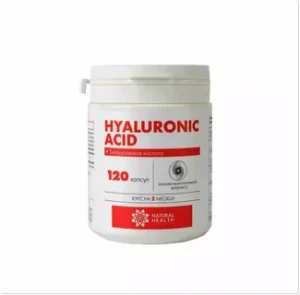
| MG | 5mg *10 vials |
|---|
Be the first to review “Buy hyaluronic acid”
Related products
peptides
peptides
peptides
peptides
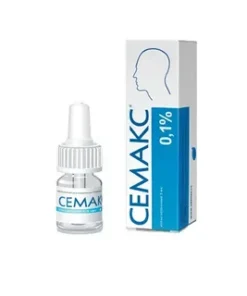
peptides
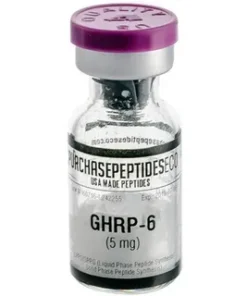
peptides
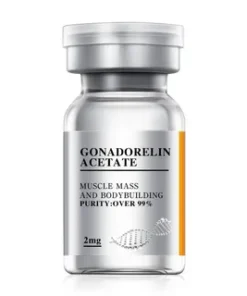
peptides
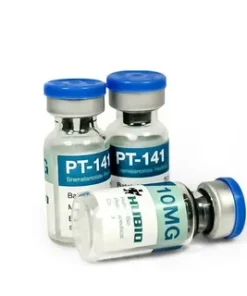
peptides
Reviews
There are no reviews yet.