
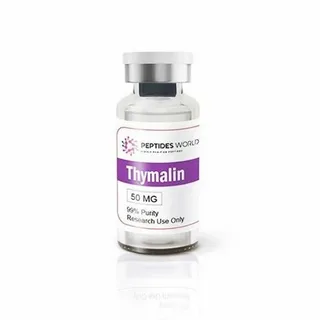
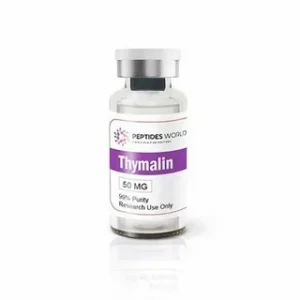
Buy Thymalin Online
$75.00
Moreover, KiThymalin is a synthetic peptide-based compound derived from Thymalin, which itself originates from the thymus gland.
However, it is designed to mimic the natural thymic peptides responsible for regulating immune system functions and cellular regeneration.
Furthermore, KiThymalin is primarily used in bio-regulatory and anti-aging medicine and is widely used in peptide therapy protocols.
Moreover, KiThymalin is a synthetic peptide-based compound derived from Thymalin, which itself originates from the thymus gland.
However, it is designed to mimic the natural thymic peptides responsible for regulating immune system functions and cellular regeneration.
Furthermore, KiThymalin is primarily used in bio-regulatory and anti-aging medicine and is widely used in peptide therapy protocols.
Mechanism of Action
KiThymalin works by influencing the body’s immune response and promoting cell differentiation and maturation, especially of T-lymphocytes (T-cells).
It helps restore the balance of the immune system, particularly in cases of age-related decline or immune suppression.
 Key Benefits
Additionally, Immune Support strengthens the body’s immune defense by promoting maturation and function of immune cells.
As a result, anti-aging effects help curb age-related immune decline and may support longevity via systemic regulation.
Moreover, tissue repair and regeneration can speed recovery from injury by enhancing cellular repair processes.
Detoxification: Some protocols suggest it supports the elimination of damaged or dysfunctional cells.
Hormonal Balance: Indirectly contributes to homeostasis by regulating immune-endocrine interactions.
Common Uses
Age-related immune dysfunction
Chronic fatigue or illness
Recovery from chemotherapy or radiation.
Immune suppression disorders.
Anti-aging therapy programs
As an adjunct in regenerative or peptide therapies.
Administration
Healthcare providers administer KiThymalin by subcutaneous injection under medical supervision.
Dosing protocols vary depending on the patient’s health status and treatment goals.
Safety & Side Effects
Medical professionals routinely assess KiThymalin as safe when used appropriately, especially under medical guidance.
However, potential side effects may include:
Mild injection site reactions (redness, swelling)
Temporary fatigue,
Headaches,
Rare allergic responses.
Avoid using it without a full health evaluation, especially in people with autoimmune conditions, cancer, or on immunosuppressive therapy.
| MG | 10mg*10vials |
|---|---|
| Cat. No | TY10 |
Be the first to review “Buy Thymalin Online”
Related products
peptides
peptides
peptides
peptides
peptides
peptides
peptides
peptides
Reviews
There are no reviews yet.