
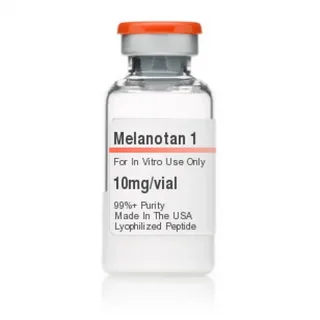
Melanotan Online Product Information, Uses & Research Overview
Melanotan 1, also known as Afamelanotide, is a synthetic analog of the naturally occurring peptide hormone alpha-melanocyte-stimulating hormone (α-MSH).
Originally, it was developed to promote skin tanning without exposure to harmful UV rays.
Chemical Name: Afamelanotide.
Molecular Formula: C78H111N21O19.
CAS Number: 75921-69-6.
Type: Synthetic peptide; melanocortin receptor agonist.
How It Works
Furthermore, Melanotan 1 binds primarily to melanocortin 1 receptors (MC1R) on melanocytes, stimulating melanin production.
Consequently, this leads to a gradual darkening of the skin, offering a protective effect against UV damage.
Uses and Benefits
Additionally, sunless tanning stimulates natural tanning and reduces the need for UV exposure.
Moreover, photoprotection reduces UV-induced skin damage in people with photosensitive conditions.
Furthermore, Scenesse is FDA-approved for EPP and marketed under the brand name, a rare genetic disorder causing sun sensitivity.
Administration
Typically delivered via a subcutaneous implant (especially in clinical settings).
Effects build up gradually and can last several weeks to months, depending on dosage and skin type.
Side Effects
While generally well-tolerated, potential side effects may include:
Nausea
Flushing
Headaches
Injection site reactions
Darkening of moles or freckles.
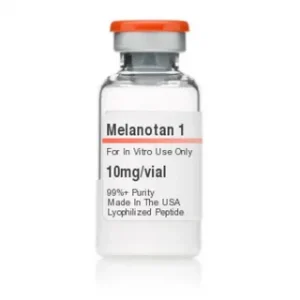
Melanotan 1 vs. Melanotan 2
| Feature | Melanotan 1 | Melanotan 2 |
|---|---|---|
| Receptor Selectivity | Highly selective for MC1R | Binds MC1R and others (e.g., MC4R) |
| Tanning Effect | Gradual, more natural-looking | Stronger, faster tanning |
| Side Effects | Fewer side effects | More side effects (e.g., libido changes) |
| Medical Use | FDA-approved (Scenesse) | Not approved for human use |
| MG | 10mg*10vials |
|---|---|
| Cat. No | MT1 |
Be the first to review “Buy Melanotan Online”
Related products
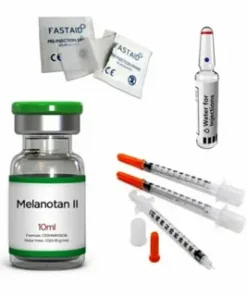
peptides
peptides
peptides
peptides
peptides
peptides
peptides
Reviews
There are no reviews yet.